Color as an Emotional Language
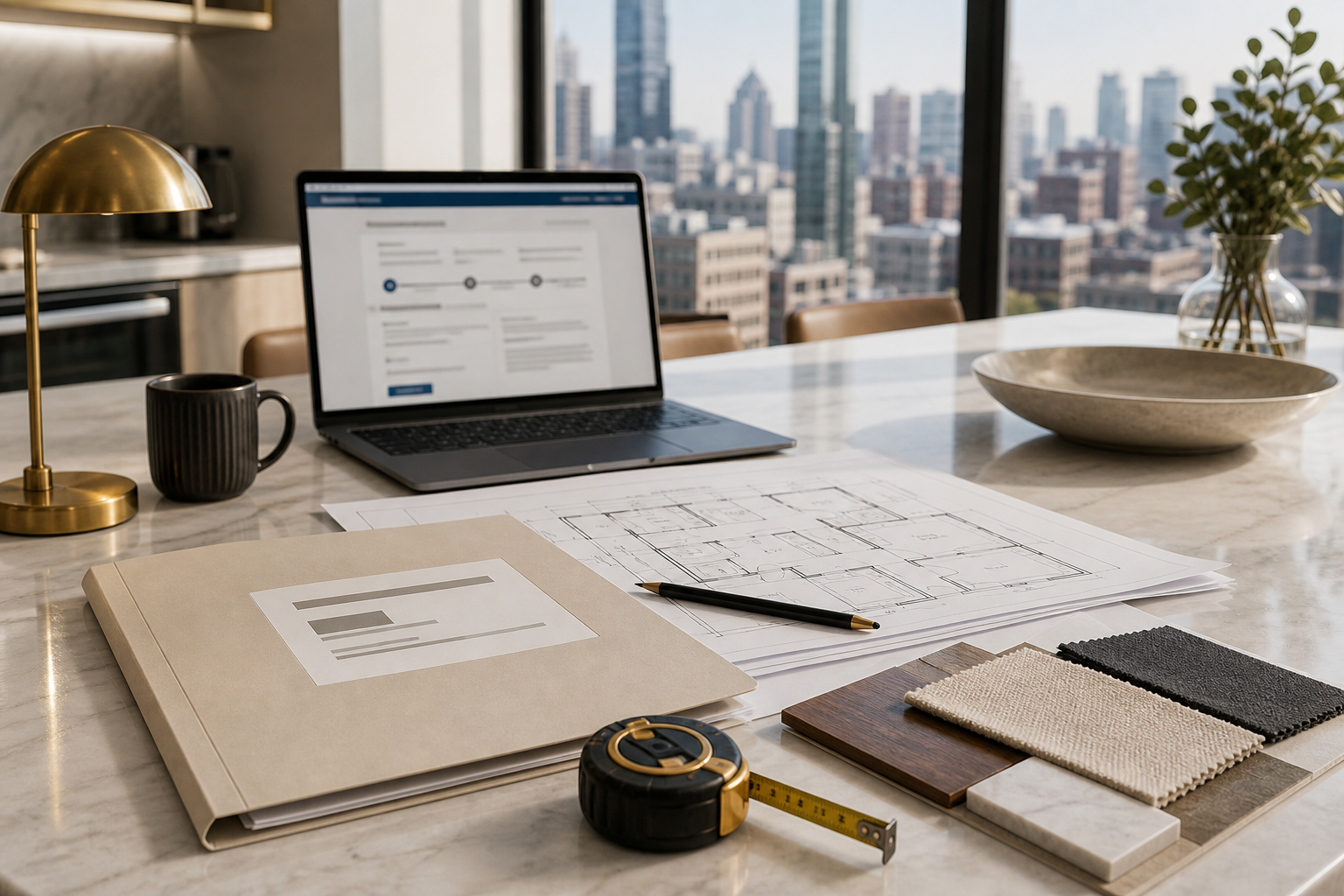
Color is one of the most immediate design elements we respond to emotionally. Warm tones like amber and terracotta create coziness, while cool hues like soft blue and sage evoke calm. Bold colors, such as emerald green or deep navy, can energize a room or spark creativity. Choosing a palette isn’t just about aesthetics — it’s about aligning the emotional atmosphere of a space with the function it serves.
- Living Rooms: Neutrals and earthy greens foster connection and relaxation.
- Workspaces: Blues and teals encourage focus, while pops of yellow stimulate creativity.
- Bedrooms: Soft neutrals, dusty pastels, and gentle greens promote rest and tranquility.
The Impact of Space and Layout
How we arrange furniture affects how people interact. Open layouts promote togetherness, while segmented spaces create privacy and calm. For example, positioning seating in a circle fosters conversation, while arranging it around a focal point like a fireplace or artwork establishes a sense of purpose and grounding.
Even ceiling height plays a role. High ceilings can inspire awe and creativity, while lower ceilings encourage intimacy. Designers often use lighting, mirrors, and vertical elements to shift how a space is perceived emotionally.
Texture and Touch
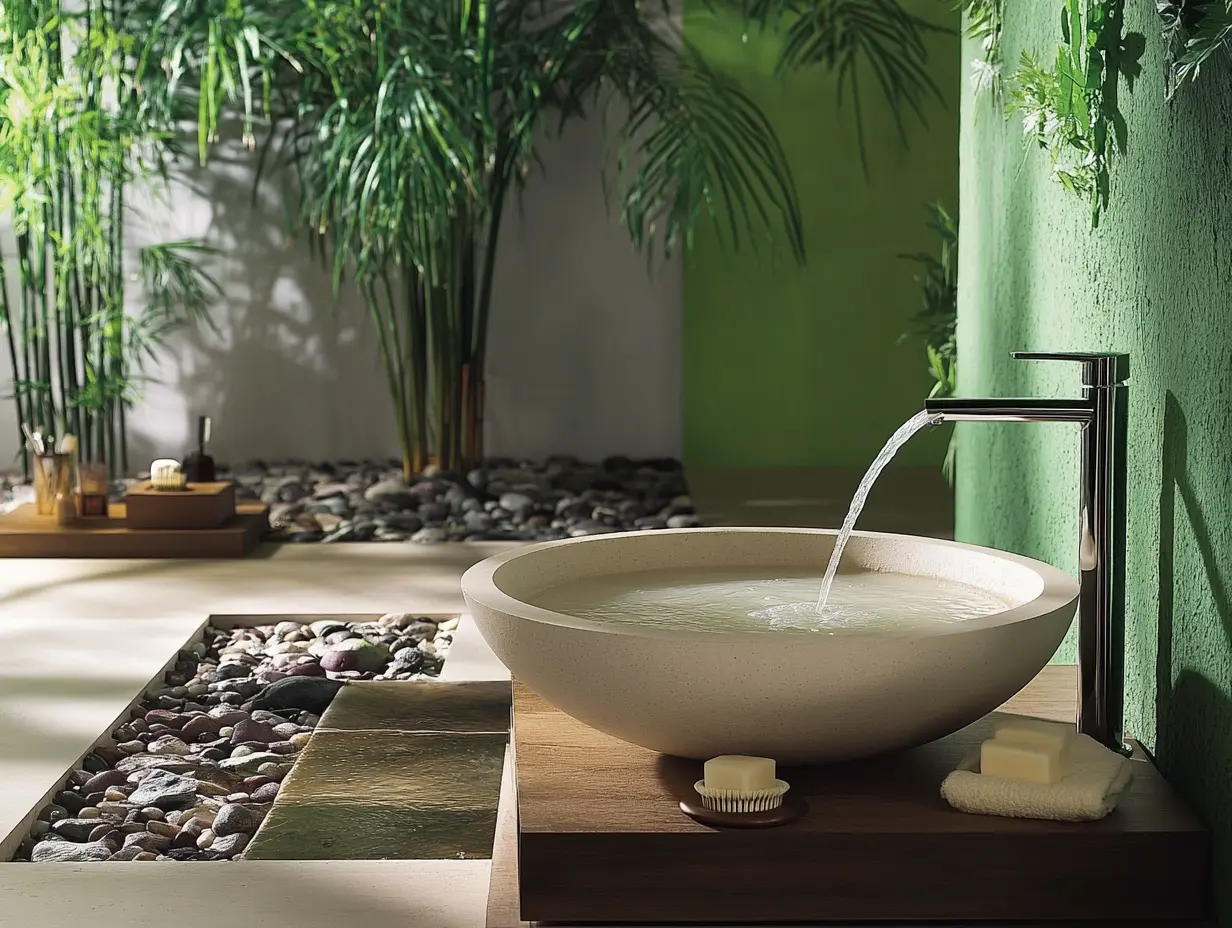
Our sense of touch deeply influences how we connect with our environment. Smooth marble counters evoke sophistication, while soft linen curtains or wool rugs bring comfort and warmth. Layering textures is one of the most effective ways to make a room feel dynamic, tactile, and inviting.
Lighting as Mood Setter
Natural light regulates our circadian rhythms, lifting energy during the day and helping us rest at night. Interiors that maximize daylight feel more optimistic and expansive. In contrast, poorly lit spaces can feel confining and uninspiring. Artificial lighting also plays a key role: warm-toned lighting creates intimacy, while cool lighting enhances clarity and focus.
Why It Matters
When design aligns with psychology, interiors do more than look beautiful — they nurture well-being. Homes become sanctuaries, workplaces foster creativity, and hospitality spaces encourage connection. Understanding the psychology of design allows us to craft spaces that not only serve function but also enhance how people live and feel every day.