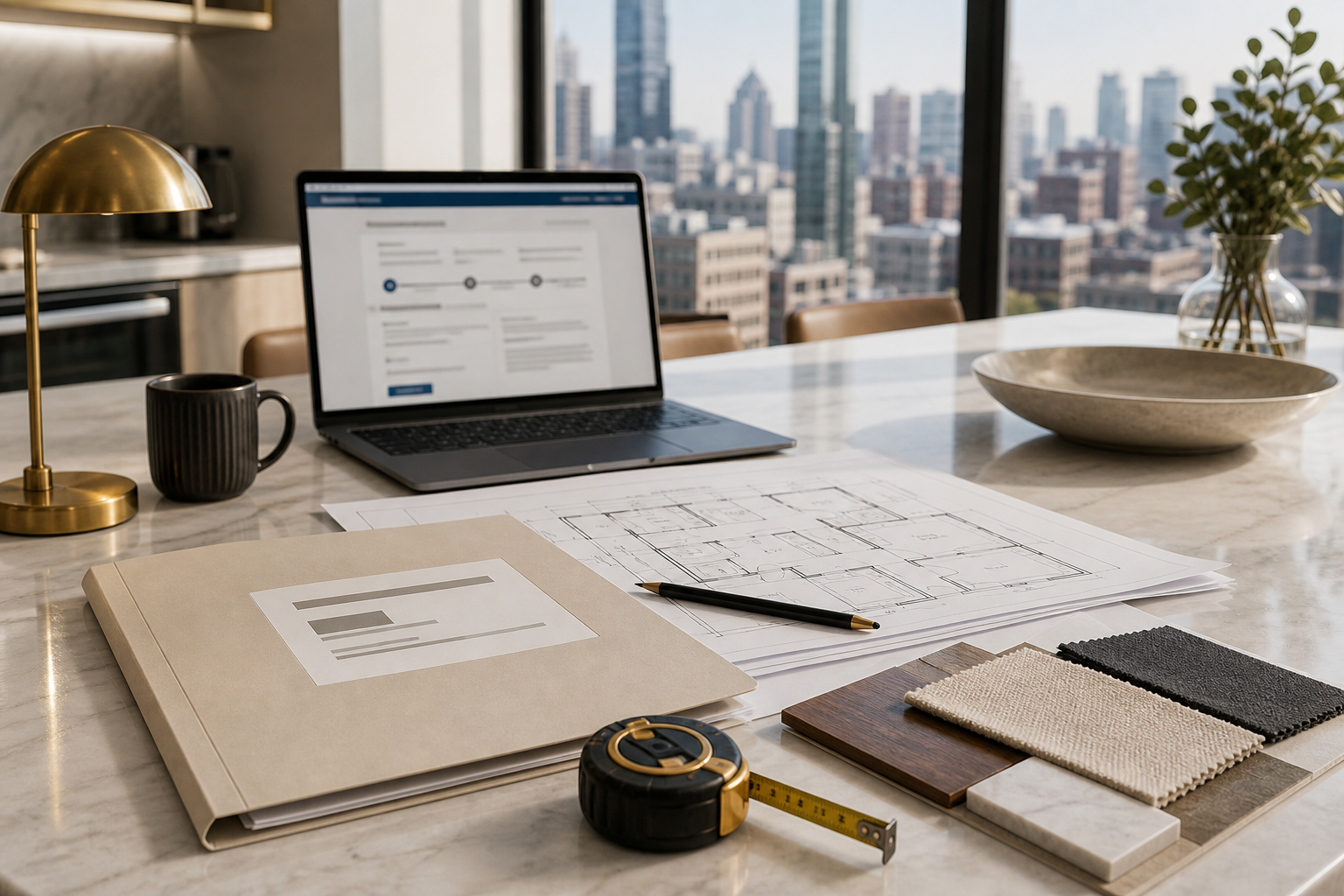
Introduction: Where Design Meets Experience
In the world of fine dining, food is only part of the experience. What truly lingers in a guest’s memory isn’t just the taste of the cuisine, but the way the environment made them feel. Every texture, color, light, and line in a restaurant contributes to a narrative — one that transforms dining into an event and a visit into an emotion.
At Visionary Abode, we approach restaurant design as a form of storytelling. The visual architecture of a fine dining space can communicate sophistication, intimacy, and brand identity more powerfully than any marketing campaign ever could. Today’s commercial design landscape demands more than beauty — it requires balance, authenticity, and psychology.
This is the art of ambience.
The Psychology of Space and Sensation
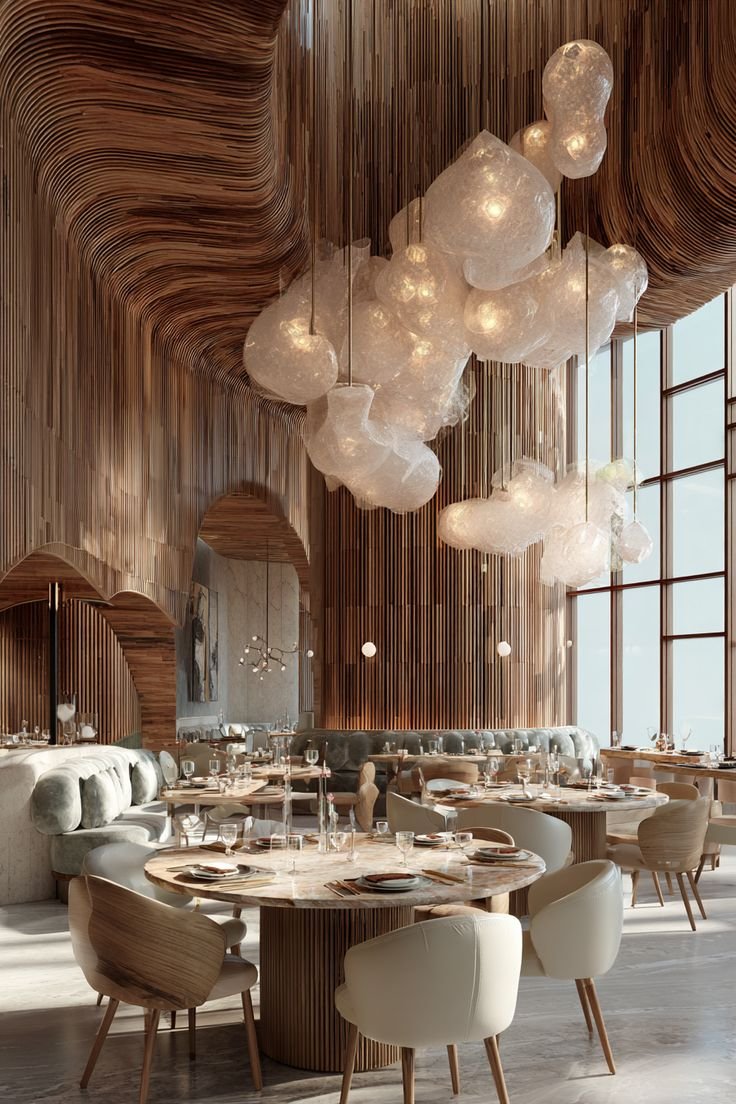
Great fine dining design starts with understanding how people feel in a space. Subtle cues shape emotion: the curve of a chair, the softness of lighting, the acoustics of conversation.
- Lighting: Soft, layered lighting is the hallmark of refinement. Adjustable zones, warm tones, and feature lighting allow a space to evolve from bright lunch service to intimate evening atmosphere.
- Spatial Flow: The guest journey must be intuitive. From the host stand to the dining table, from the bar to the restroom, the space should guide naturally — never overwhelm or confuse.
- Texture & Material: Velvet banquettes, natural stone, and rich wood add warmth and depth. Every surface should invite touch and reflect subtle luxury without shouting it.
Designing for fine dining isn’t about maximalism — it’s about orchestration. Every sensory note works in harmony.
Brand Identity Through Design
Fine dining spaces are not just restaurants — they are brands you walk into. The interior must embody the restaurant’s story as vividly as the menu.
- A seafood restaurant inspired by coastal minimalism might use bleached oak, sea-glass hues, and soft wave motifs.
- A high-end steakhouse might favor moody lighting, brass accents, and deep burgundy tones that evoke warmth and exclusivity.
At Visionary Abode, we often begin with the client’s brand DNA — logo colors, mission statement, and audience profile — then translate that into tangible design language. The goal is a space that looks beautiful and feels unmistakably “you.”
The Bar as a Visual Anchor
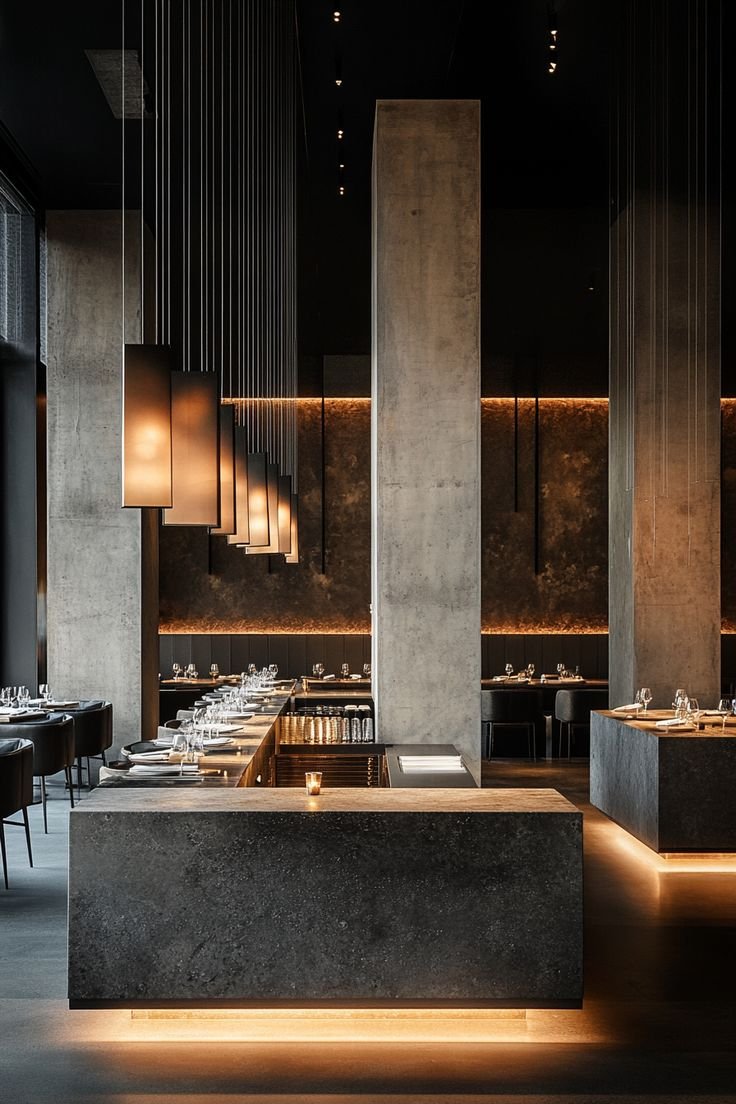
In many fine dining restaurants, the bar isn’t just a service station — it’s the heart of the experience. It’s where energy builds, where first impressions are made, and where the evening begins.
Designing around an existing bar setup offers both challenges and opportunity:
- Material refreshes (such as updating the countertop with stone or metallic finishes) can instantly modernize the space.
- Back-bar lighting creates depth and visual theater.
- Seating and spacing around the bar must balance social flow with privacy — elegance is as much about comfort as style.
A bar that commands attention sets the tone for the entire restaurant.
The Role of Color in Fine Dining Design
Color is emotional architecture. In fine dining, it subtly dictates how long guests stay, what they feel, and even how they perceive flavor.
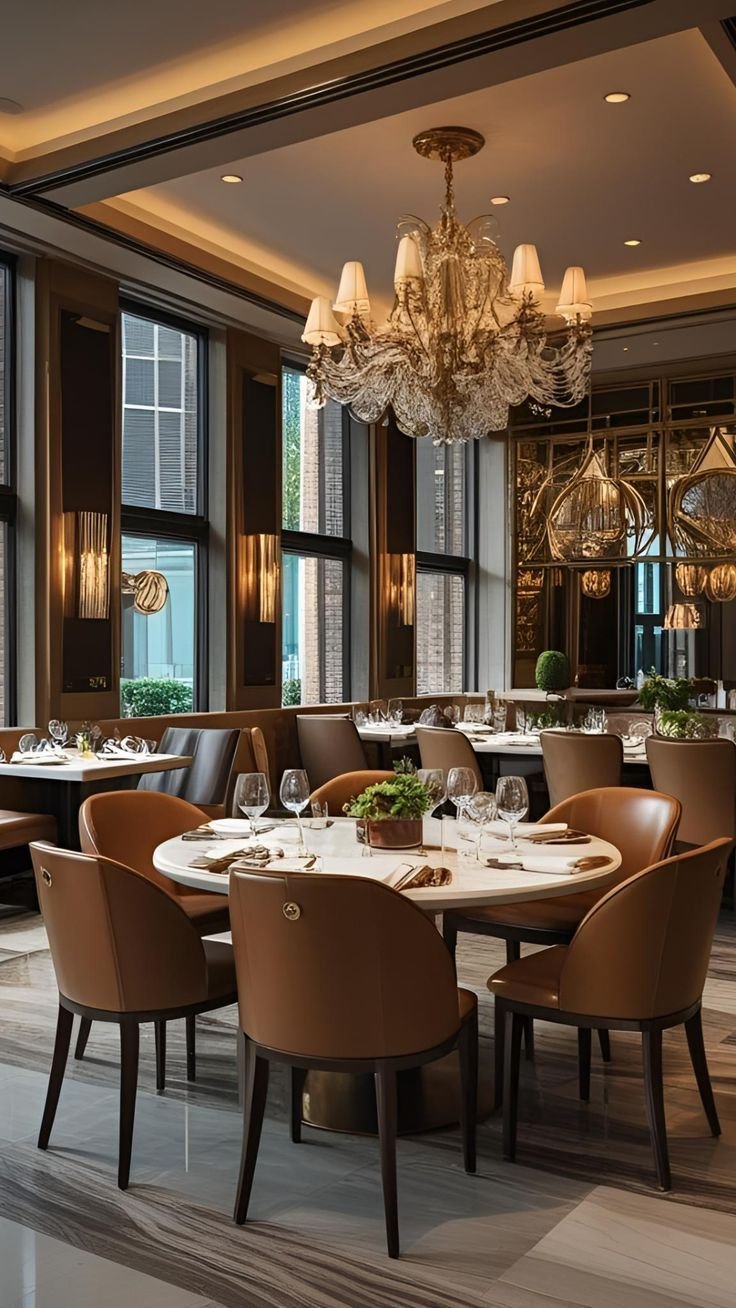
- Deep, saturated tones (midnight blue, espresso brown, oxblood) evoke luxury and intimacy.
- Muted neutrals with metallic accents communicate modern elegance and calm.
- Strategic color zoning — such as darker walls around dining areas and lighter tones at the bar — can visually separate experiences without physical dividers.
Fine dining design often draws from the psychology of restraint: a limited palette, executed perfectly, communicates refinement far more effectively than excess color variety.
Functionality: The Silent Partner of Beauty
Behind every elegant restaurant interior lies the invisible backbone of practicality.
- Circulation: Servers should navigate fluidly between kitchen and tables.
- Lighting Control: Smart systems allow instant shifts between moods and service settings.
- Material Durability: Commercial-grade finishes must be selected for longevity without sacrificing texture or aesthetic appeal.
Every design decision is both emotional and operational — a marriage of mood and mechanics.
Sustainability and Conscious Luxury
The modern diner is as eco-conscious as they are style-conscious. Today’s fine dining interiors must project luxury and responsibility.
We’re seeing a surge in biophilic luxury — integrating natural elements like live greenery, reclaimed wood, and low-VOC materials into upscale settings. The result is a space that feels alive, restorative, and forward-thinking.
Sustainability is not a constraint; it’s a new form of elegance.
The Visionary Process: How We Design Fine Dining Spaces
At Visionary Abode, our commercial design process is built around collaboration, storytelling, and precision.
Step 1: Discovery & Brand Alignment
We begin with an in-depth consultation to understand your restaurant’s vision, menu, audience, and operational needs.
Step 2: Concept Development
We create a visual narrative — mood boards, sketches, and color palettes that define your restaurant’s emotional DNA.
Step 3: Design Development & Visualization
Through scaled layouts, 3D renderings, and lighting studies, we bring your concept to life — ensuring flow, function, and ambience align seamlessly.
Step 4: Architectural Review & Build Support
Our licensed architects review plans for zoning, site optimization, and compliance — ensuring beauty is backed by technical integrity.
Step 5: Final Styling & Staging
Every piece — from seating and lighting to wall art and textiles — is curated to reflect your brand’s signature experience.
Conclusion: Dining as Design, Design as Emotion
In fine dining, design is not background — it is the experience. The most memorable restaurants aren’t simply well-decorated; they are immersive worlds, crafted with intention and soul.
At Visionary Abode, we don’t just design restaurants — we help brands define how their guests feel, connect, and remember. Every detail, every color, every shadow is an opportunity to tell your story.
Because in the art of dining, vision is the ultimate luxury.