
1. Discovery and Vision
Every project begins with discovery. Designers spend time understanding a client’s lifestyle, goals, and inspirations. Do they need a space that supports family gatherings, a quiet retreat for wellness, or a high-performing home office? This stage is about asking the right questions — not just about style preferences, but about how a client wants to live.
2. Concept Development
Once the vision is clear, designers craft mood boards, sketches, and digital renderings. This stage is where color palettes, textures, and furniture concepts begin to take shape. The concept balances inspiration with practicality, ensuring the design not only looks beautiful but also fits the space’s dimensions and functions.
3. Planning and Technical Design
Interior design requires precision. At this stage, designers collaborate with architects, contractors, and artisans to finalize layouts, lighting plans, and material selections. Details such as ceiling heights, electrical outlets, and traffic flow are addressed to prevent costly mistakes later.
4. Material Selection and Sourcing
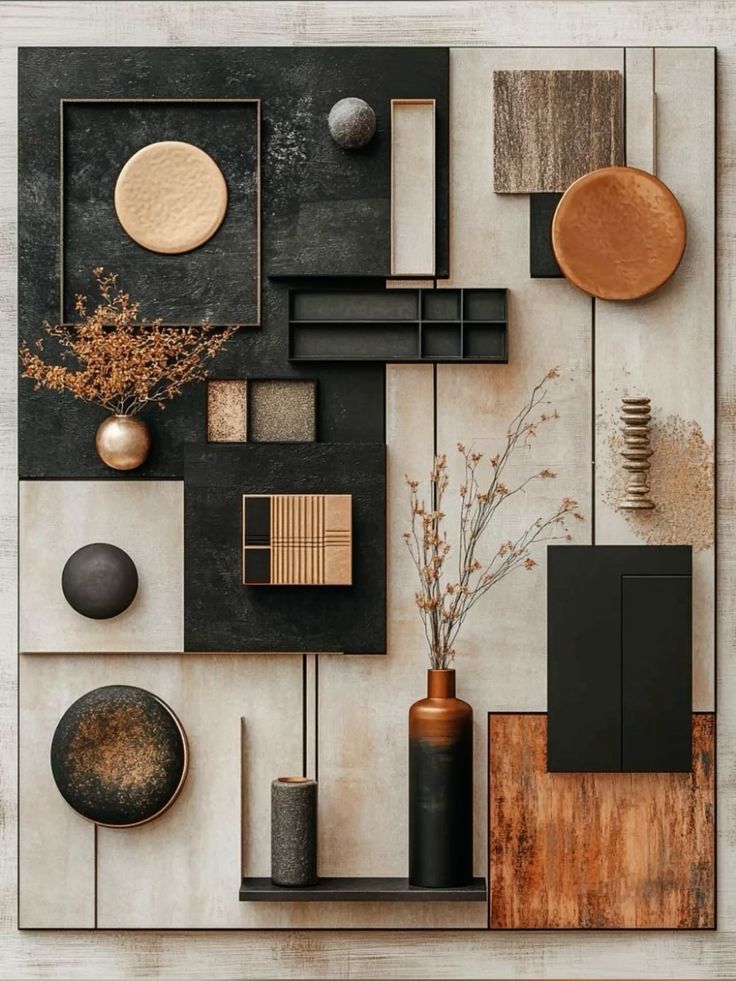
Choosing materials is both an art and a science. Designers weigh durability, sustainability, and aesthetics while sourcing cabinetry, flooring, lighting, and finishes. Often, materials are tested in sample boards to see how they interact with light and one another. This step ensures consistency and cohesion across the project.
5. Execution and Project Management
This is where vision becomes reality. Contractors begin construction or remodeling, while designers oversee progress to ensure every detail matches the concept. Challenges inevitably arise — a delayed shipment, a structural obstacle — but strong project management keeps everything on track.
6. Styling and Finishing Touches
The final stage is where the magic happens. Accessories, artwork, textiles, and lighting are layered into the space, turning an empty shell into a livable, inspiring environment. The finishing touches are what personalize a project, transforming it from simply designed to truly inhabited.
Why the Journey Matters
The complete design process may be lengthy, but it ensures that no detail is overlooked. By respecting each stage — discovery, concept, planning, sourcing, execution, and styling — interiors become more than visually pleasing. They evolve into meaningful, functional spaces that elevate everyday life.
In the end, interior design is about transformation: the transformation of materials into form, of rooms into experiences, and of houses into homes.